15-Minute Morning Yoga Routine for Beginners (With Photos)

The first time I tried morning yoga, I lasted four minutes. My back hurt, my hamstrings were tight, and I gave up halfway through downward dog. I told myself yoga wasn’t for me.
Five years later, a 15-minute morning yoga routine is the most consistent habit in my life. Not because I got more flexible. Because I stopped following advanced flows on YouTube and built something a beginner could actually finish.
This is that routine. Eight gentle poses, fifteen minutes, no experience needed.
A good morning yoga routine for beginners should be short, slow, and forgiving. Aim for 8 to 10 poses held for 30 to 60 seconds each, focused on waking the spine, opening the hips, and gentle backbends. Skip anything that hurts. Breathe through your nose the entire time.
Also see: A Healthy Morning Routine
What You Need (Almost Nothing)
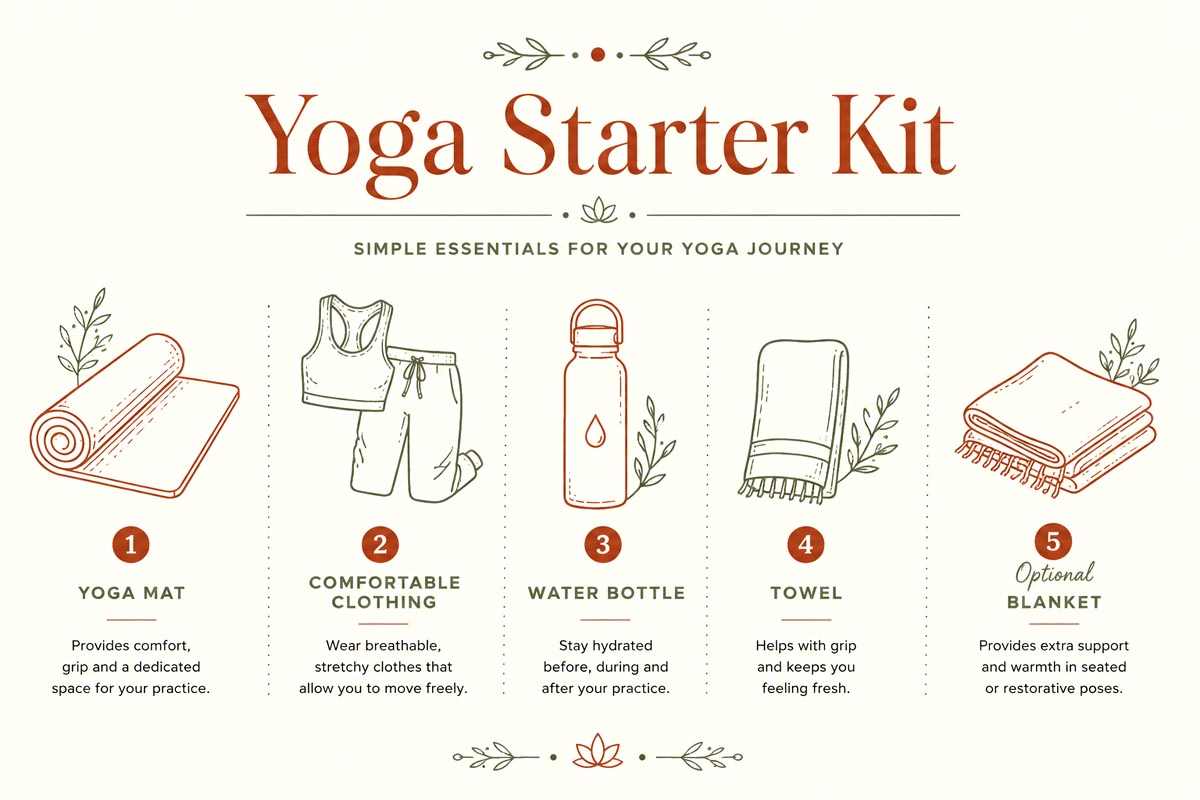
A yoga mat helps but isn’t required. A folded blanket on carpet works. Wear something you can move in. That’s it. No blocks, no straps, no app, no incense, no Sanskrit.
The only real requirement is a quiet 15 minutes before the day starts pulling at you.
The 8-Pose Beginner Flow
1. Child’s Pose (1 minute)
Knees wide, big toes touching, forehead resting on the mat, arms stretched forward. This is your starting point. Breathe slowly. Notice where your body feels tight without trying to fix anything.
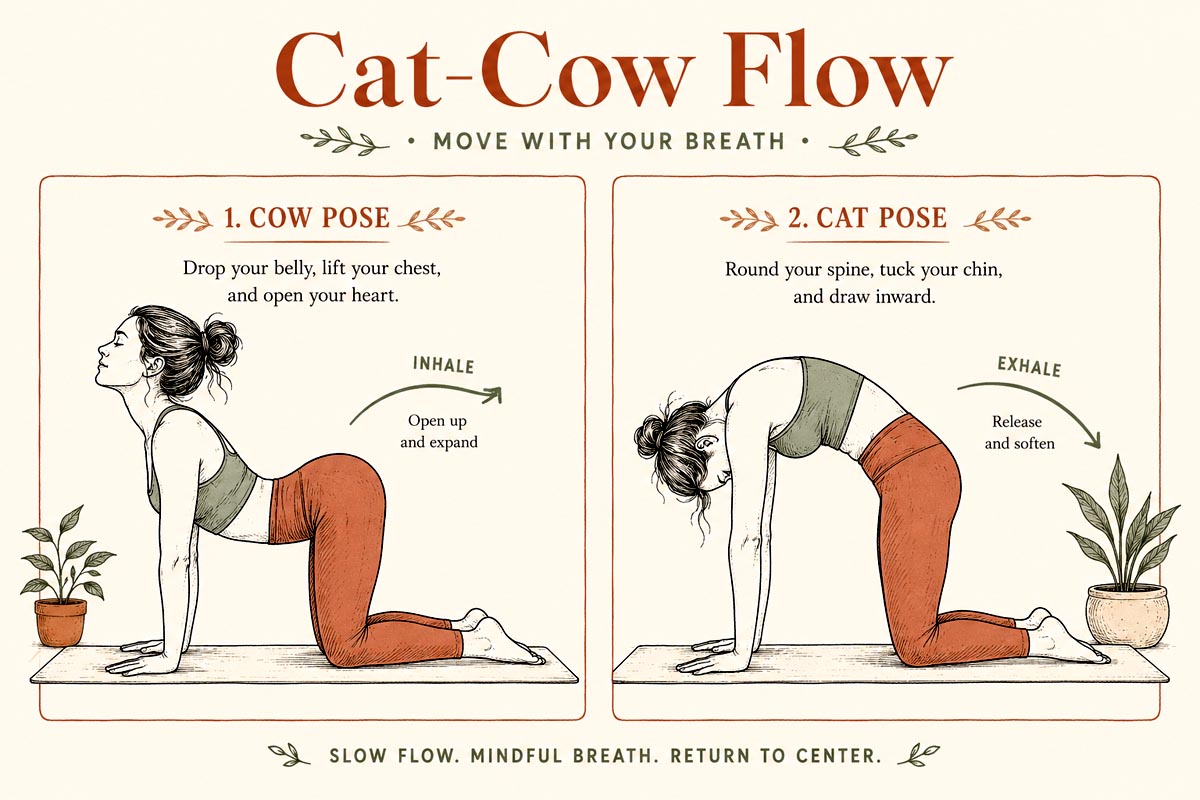
2. Cat-Cow (1 minute)
On hands and knees. Inhale, drop your belly, look up. Exhale, round your spine, tuck your chin. Move slowly with your breath. Eight to ten rounds. This is the single best pose for waking up a stiff morning spine.
3. Downward Dog (1 minute)
From hands and knees, tuck your toes and lift your hips up and back. Bent knees are completely fine. Walk it out, pedal your feet, find what feels good. Don’t worry about straight legs. That’s not the goal.
4. Low Lunge (1 minute each side)
Step your right foot forward between your hands, drop your back knee, lift your chest. Hold. Switch sides. This opens the hip flexors that get tight from sitting all day.
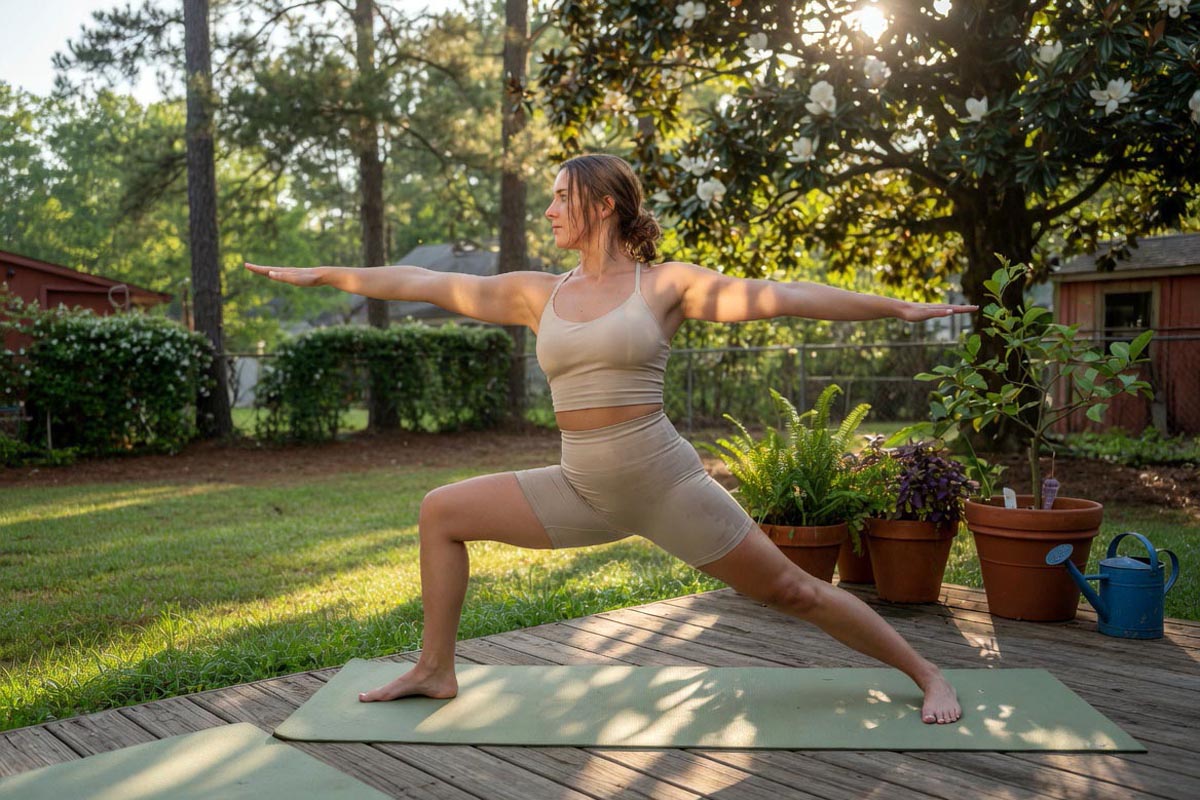
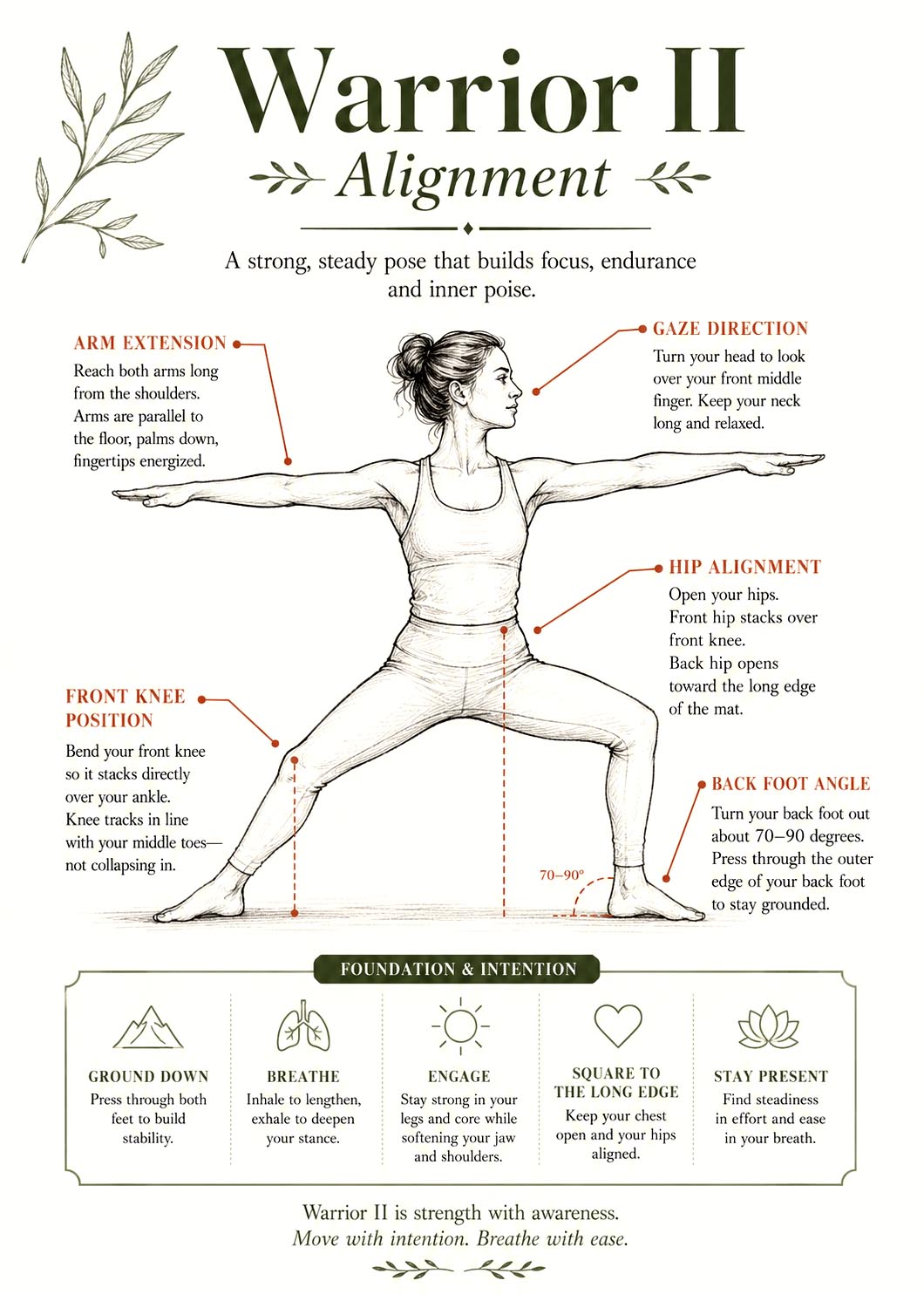
5. Warrior II (1 minute each side)
Step your right foot forward, turn your back foot out, bend the front knee, arms reaching wide. Strong legs, soft shoulders. This is the pose where I feel most awake. Switch sides.
6. Seated Forward Fold (1 minute)
Sit with legs extended, fold forward from the hips. Don’t reach for your toes. Reach for your shins, your knees, wherever your hands land. Let your spine round naturally.
7. Supine Twist (1 minute each side)
Lie on your back, hug your right knee in, then drop it across your body to the left. Look right. This unwinds your lower back. Switch sides.
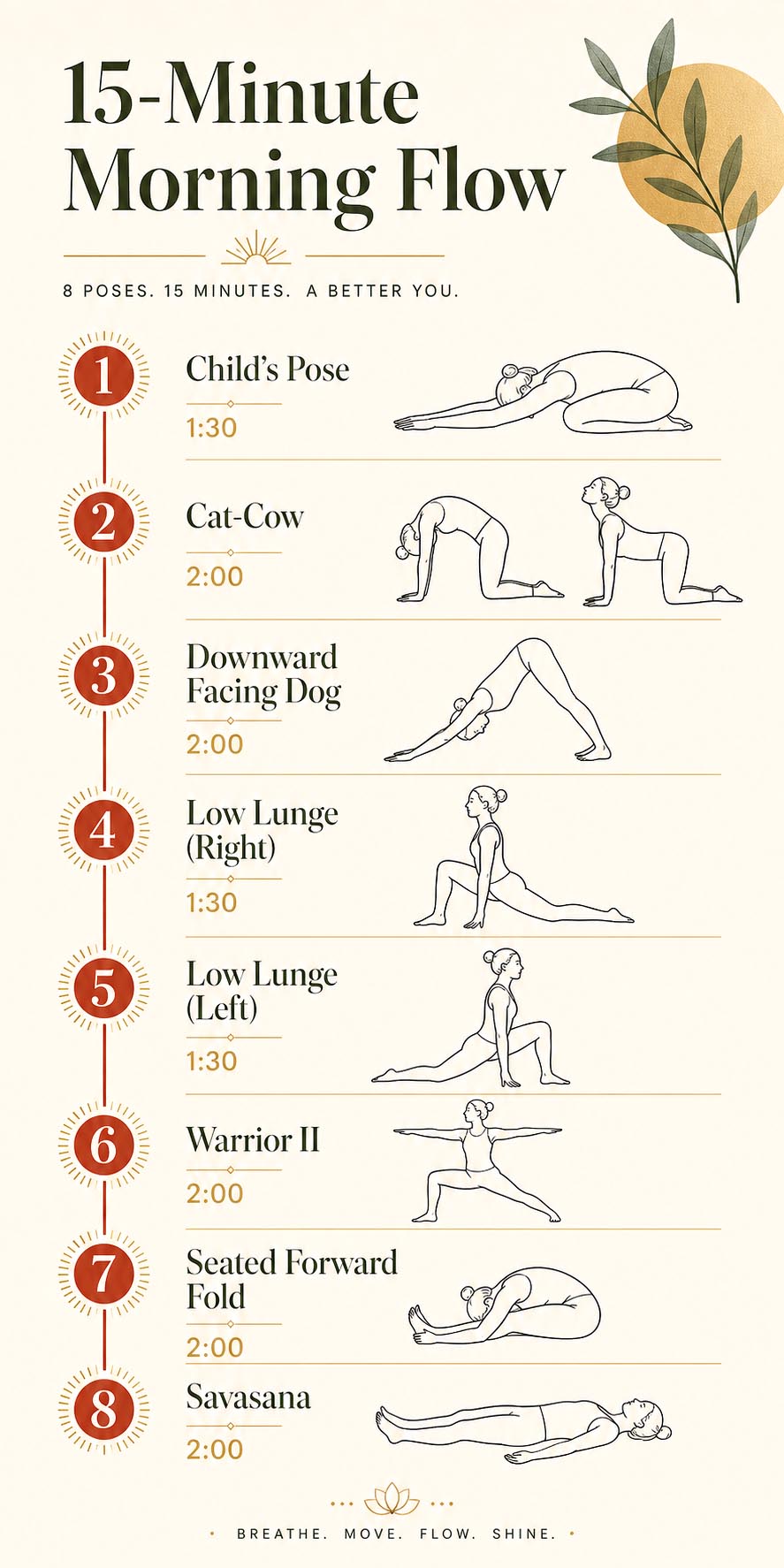
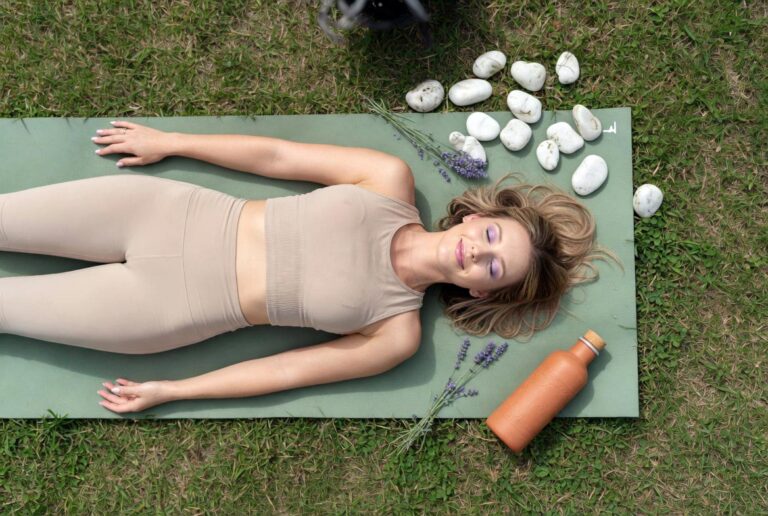
8. Savasana (3 minutes)
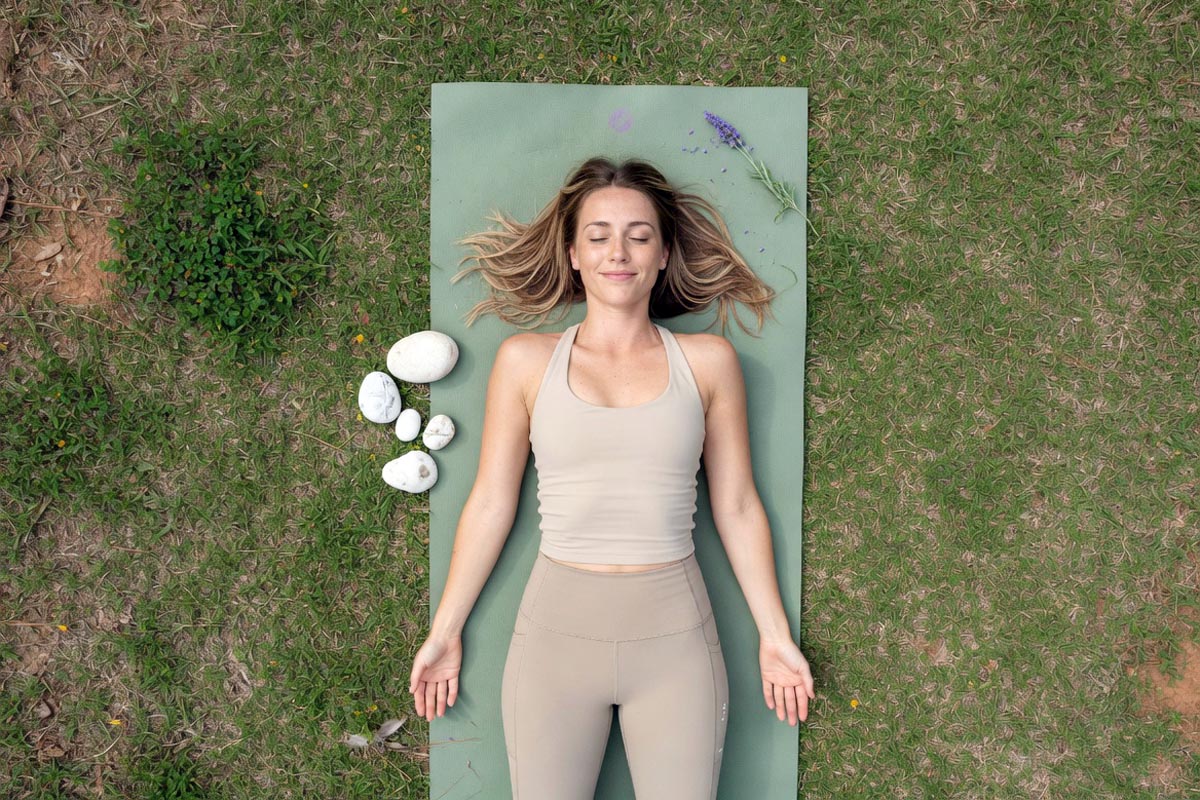
Lie flat on your back, arms by your sides, palms up. Eyes closed. Breathe naturally. Don’t skip this. The relaxation at the end is when your nervous system actually integrates the practice.
Common Beginner Mistakes I Made
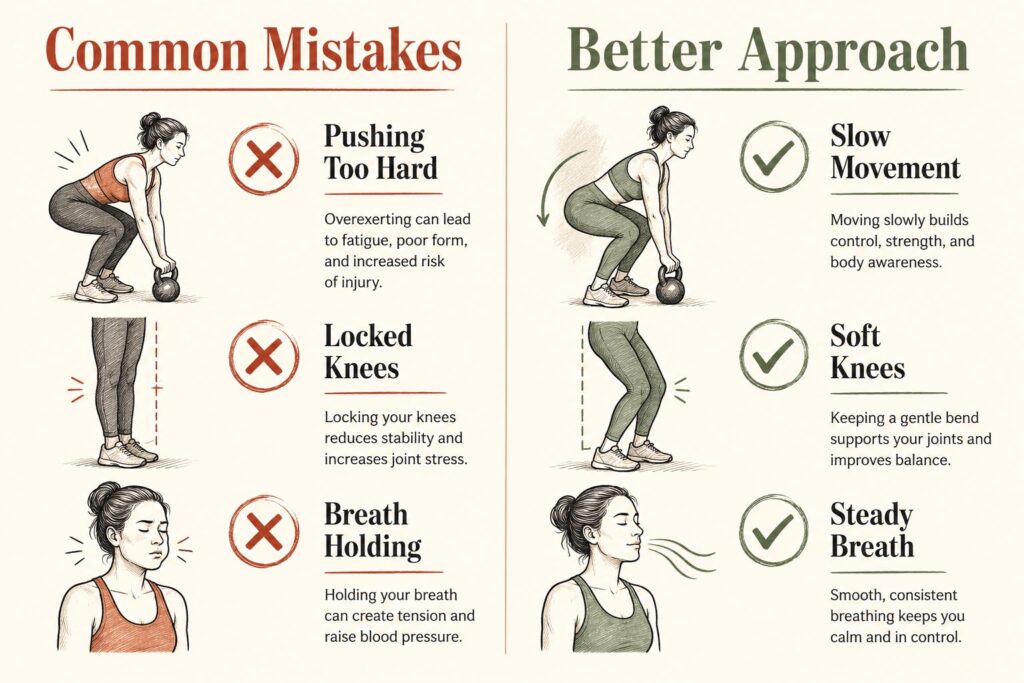
The first month, I pushed too hard. I tried to touch my toes, held poses past discomfort, and compared myself to instructors who’d been practicing for fifteen years.
When a pose hurts, back off. Bend your knees if your hamstrings are tight. Dropping to forearms is perfectly fine when your wrists ache in downward dog. Yoga isn’t a flexibility test. It’s attention to your body.
The American Council on Exercise notes that consistent gentle yoga improves balance, mobility, and stress response within four to six weeks. Consistency matters more than intensity.
Why I Do It in the Morning
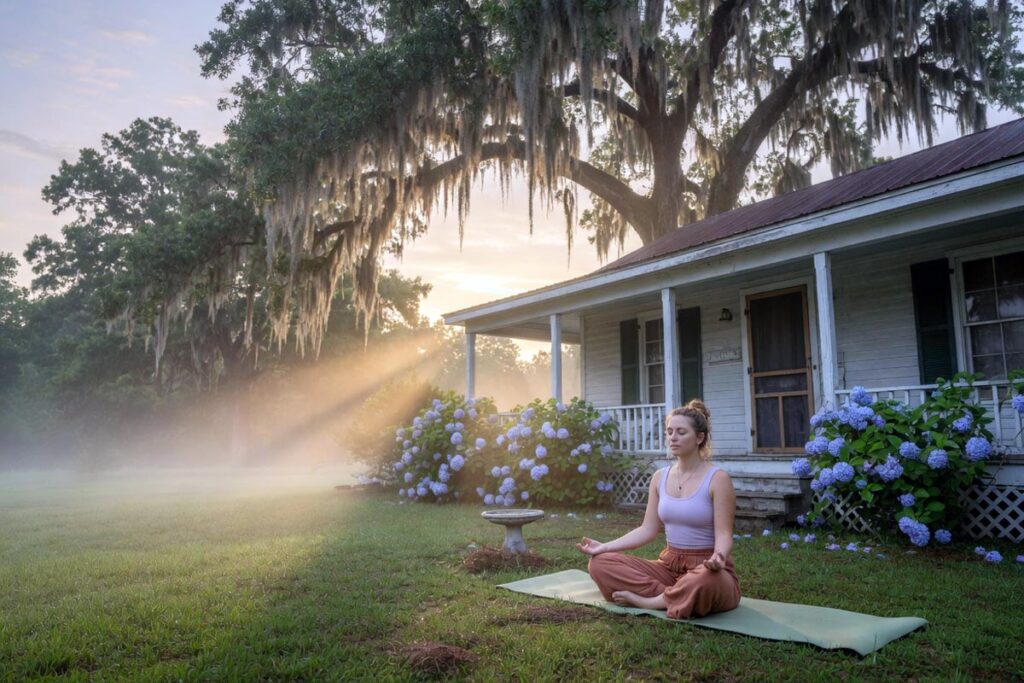
Morning yoga works for me because my body is stiffest right after sleep, my mind is quietest, and nobody is texting yet. The routine doubles as a wake-up tool and a stress reset.
By the time I roll up my mat, I’ve already done something good for myself. The rest of the day starts on better footing.
How to Stick With It
Start with three days a week, not seven. Pick the same time every morning. Put the mat somewhere visible the night before. Don’t aim for an hour. Aim for showing up, even if it’s only ten minutes some days.
Two weeks of imperfect practice beats one week of perfect practice followed by giving up.
Final Thought
You don’t need to be flexible to start yoga. You need to start yoga to become flexible. And honestly, flexibility isn’t even the point. The point is fifteen quiet minutes with your body before the world wants something from you.
Roll out the mat tomorrow. Do as much as feels good. Stop when it doesn’t. That’s the whole practice.